Find Samples
To add to your samples basket, simply navigate to a product you're interested in, select the colour you like and press the + icon on an empty sample slot.
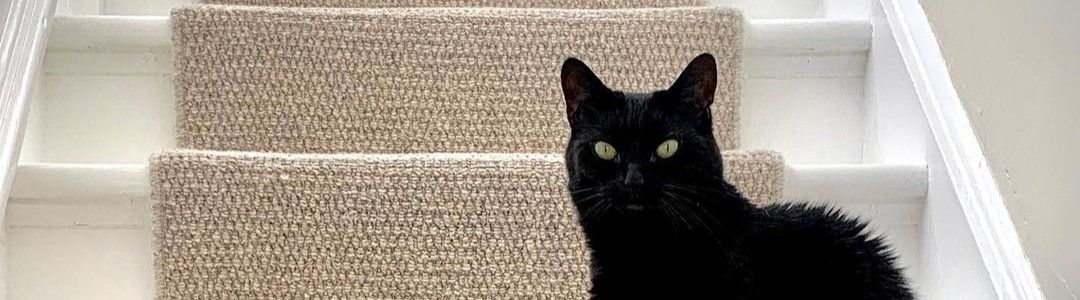
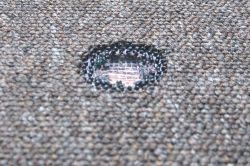
Whether you’re a long-time cat owner or you’ve just welcomed an adorable new kitten into your home, one thing all cat owners can agree on is that their carpets may be in for a rough time.
From excitement and enthusiasm to stress and anxiety, there are many reasons why your cat might start clawing your carpet and stopping them from scratching it threadbare can be a challenge, especially for those with indoor-only cats.
Fortunately, there are several things you can do to stop your cat from scratching the carpet, many of which will also help your pet feel more secure around your home, which will reduce potential carpet and furniture scratching in the future.
In this guide:
.jpg)
Before we touch on the main ways to stop cats from scratching carpet, curious owners might be wondering why our feline friends have this habit in the first place.
Contrary to what some owners might think, there’s usually nothing mischievous about cats scratching carpets. In fact, scratching is a natural part of their daily routine and provides many benefits. Here are just a few of the reasons that cats like to scratch:
For the same reasons why dogs scratch the carpet, cats also scratch the carpet out of excitement when you return home, to expel excess energy, or encourage you to pet them. In some cases, though, cats may scratch carpets due to a lack of stimulation or stress. This is more likely if the scratching is continuous, destructive, and common throughout your home, suggesting that your cat doesn’t feel safe in certain rooms.
On top of this, every cat has their preferred scratching patterns, materials, and methods, meaning you’ll have to tailor your cat's scratching experience to their needs.
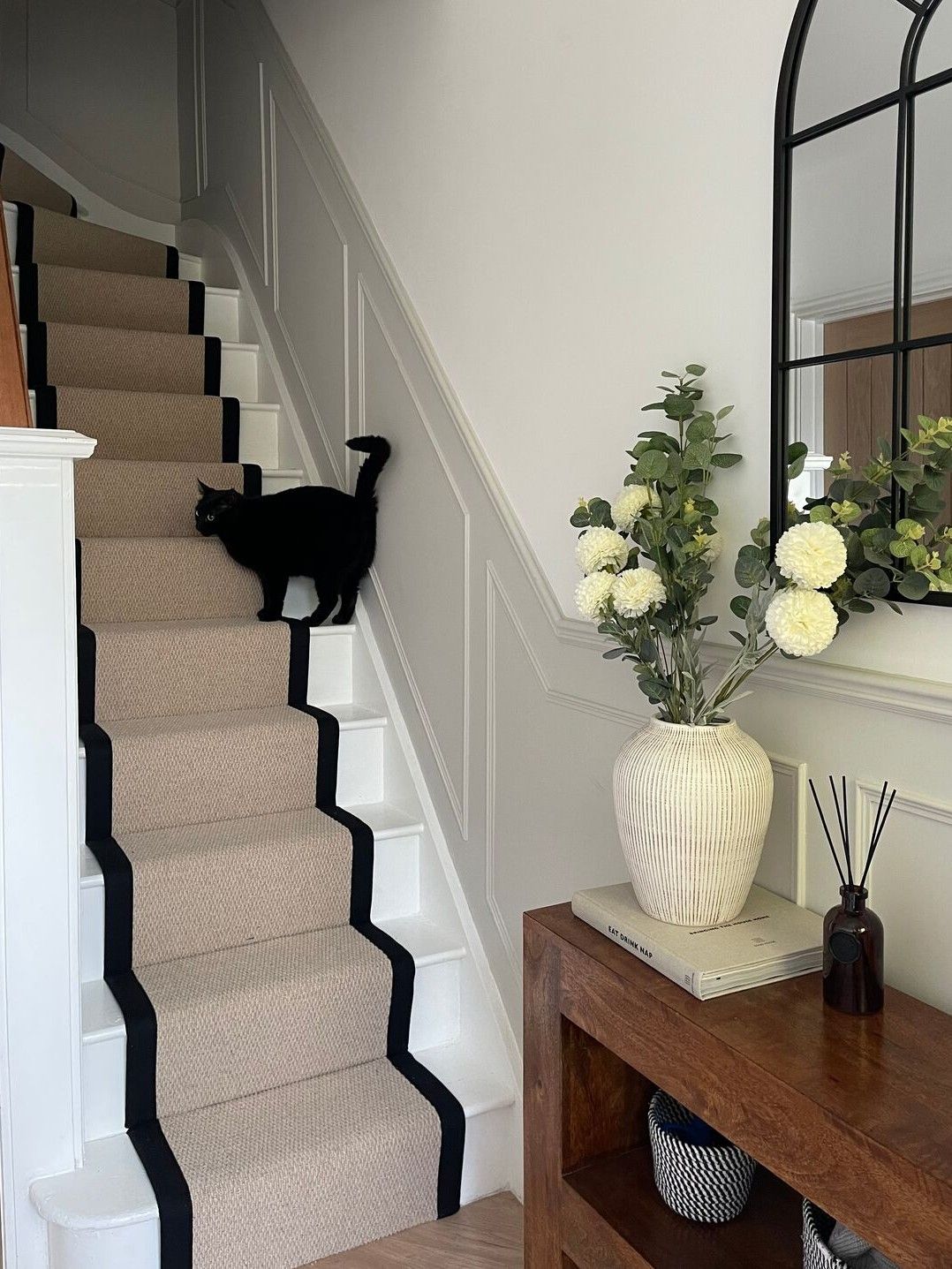
Given that scratching is a natural and healthy part of a cat’s day-to-day routine, there is no permanent way to stop them from doing this. Instead, you need to find ways to direct their scratching to specific toys and areas.
By directing your cat to the right spot to scratch using the following tips, you can help minimise damage to your flooring while giving your cat a more fulfilling scratching experience.
The most important thing to do when looking for ways to stop cats from clawing your carpet is to provide them with scratching alternatives. Placing scratching posts and pads around your home will provide your cat with guilt-free scratching surfaces they’ll quickly learn to love.
However, just buying a single scratch post and leaving it in your living room will probably not be enough to stop your cats from clawing the carpet, especially if they have various areas around your home where they like to relax.
By purchasing several scratching posts and horizontal pads, you can determine your cat's scratching style and tailor their options to match it. For example, if your cat loves to scratch your carpet, this means they’ll probably prefer a horizontal scratching pad.
You’ll also want to test a variety of post materials. Hemp, rope, cardboard, wood, and, of course, carpet, are all common targets of your kitty’s claws. Try noting which material gives your cat the most satisfaction when clawing, and encourage them to use scratch posts made from that material instead.
Once you’ve worked out the best post, pad, and material combo for your cat, place them in the most common scratching areas. Be sure to anchor them securely to the ground so your cat can use them to their full extent. If they’re wary of them at first, try leaving catnip and familiar scents nearby to help them relax.
While we would never encourage spraying your cat directly with water or other liquids, there are specialist sprays you can apply to different surfaces to stop your cat from scratching them.
These sprays contain calming scents and pheromones that mimic your cat's, helping them relax and destress. This makes them particularly helpful if your cat regularly gets anxious. Spray the area in question, and your cat should start leaving it alone.
However, if you want a more affordable solution, spraying water infused with strong natural scents, such as citrus, peppermint, or lavender, can have a similar effect. Cats have an excellent sense of smell, so while you might only pick up on it for a few hours, your cat will be put off for several days. Be cautious and do plenty of research if you plan to use essential oils, as some can be irritants or even toxic to cats.
Although it might seem a little extreme, keeping your cat’s claws regularly clipped is a healthy way to reduce the impact of their clawing. When done correctly, it will still allow your furry friend to stretch out and get the benefits of scratching, just without the furniture damage.
Bear in mind, however, that this tip is specifically for those cats that don’t go outside. Do not clip your outside cat’s claws, as they need them for defence and adventuring when out and about.
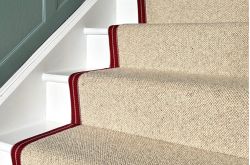
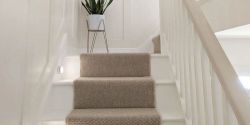
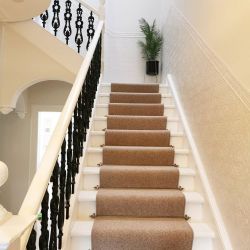
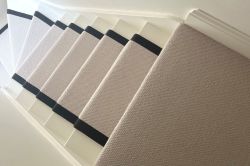
Last, but not least, our final tip is quick and straightforward to implement. Laying down preventative materials can be a great way to stop cats from clawing carpets, especially if you’re looking for how to prevent your cat from scratching your stairs.
Materials such as sandpaper, double-sided tape, and thin mats can be placed over or against their favourite scratch spots to deter your cat from touching that area. If you apply these wisely, they should avoid the spot in question and look to scratch elsewhere – hopefully using your newly bought posts.
Finally, if possible, you can move nearby furniture over the area in question to stop your cat from accessing it.
.jpg)
Scratching is a natural part of your cat’s daily routine, so if you see your kitty honing its claws regularly, it’s usually not a sign to worry. However, if their habit gets so bad that it causes clear behavioural shifts, then it’s probably time to ask a professional for advice. Here are some signs that your cat may need to be taken to the vet for their scratching problem:
And there you have it - these are our top tips on how to stop your cat from scratching your carpet. For the best effect, we recommend using these tips together to encourage your cat to switch to using their scratching posts as soon as possible. If your mischievous moggy has damaged your carpet, we have a guide on how to repair a carpet.
Of course, if you’re thinking about making your home more pet-friendly in general, then vinyl and hardwearing laminate flooring are great flooring choices for pets. Why not have a read of our guides on removing pet hair from your carpet and the best flooring for pets, or watch our video below.
If your cat is scratching the carpet at night, they might be relieving stress or excess energy before they settle down, or they may just be marking their territory. There are many reasons cats like to scratch at any time of day, but you can protect your carpet by providing them with scratching posts or mats and using deterrent sprays on frequently targeted areas.
Each cat has their own habits when it comes to the materials they like to scratch, the areas they focus on, the patterns they prefer, and more. Try observing your cat’s scratching and providing alternatives that suit them. For example, give your cat a horizontal scratching pad if they like to claw at carpets and other flat surfaces, or offer a scratching post in their favourite material to play with.
You may notice your cat clawing at the fabric of your sofa or the legs of your kitchen table. In this case, try providing a vertical scratching post to distract them, making sure to match the material as closely as possible. You can also try spraying your furniture with special anti-scratch sprays that release scents and pheromones similar to those your cat spreads to mark its territory.

Published: 23-10-2024
Last reviewed: 29-01-2026





 copy-250.jpg)
-250.jpg)
 - Article Image (not header)-250.jpg)

-250.jpg)






-250.jpg)



-250.jpg)

-250.jpg)
-250.jpg)
 (2)-250.jpg)
 (2)-250.jpg)
-250.jpg)
-250.jpg)
-250.jpg)

-250.jpg)
-250.jpg)

-250.jpg)
-250.jpg)
-250.jpg)
-250.jpg)
-250.jpg)

-250.jpg)





 (1)-250.jpg)

-250.jpg)

-250.jpg)

-250.jpg)
-250.jpg)
-250.jpg)

Hold tight! We're getting your results

Did you know...
You can book a FREE home visit?