Find Samples
To add to your samples basket, simply navigate to a product you're interested in, select the colour you like and press the + icon on an empty sample slot.
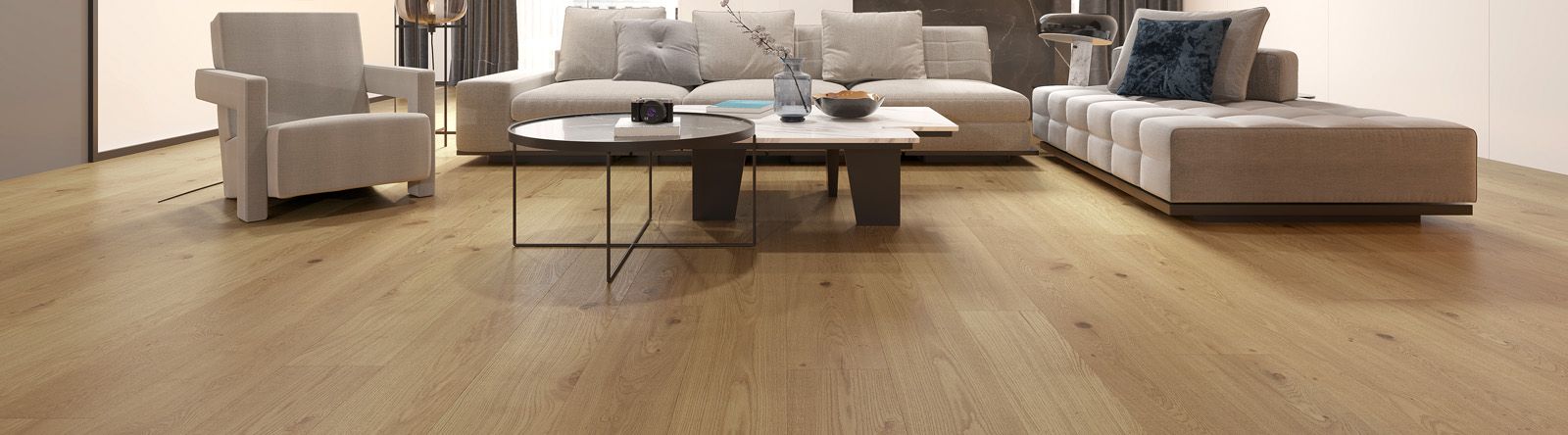
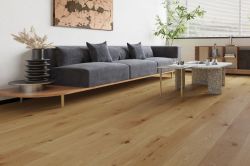
For many people, wooden floors in the home are a long-held dream. They have a timeless style that works equally well in modern homes and as well as more traditional spaces.
However, solid wood floors can be expensive – which is where engineered wood shines. Designed with core layers of multi-ply softwood and a top layer of genuine hardwood, engineered oak flooring offers the superior strength and luxury of wood at a more affordable price point.
In this guide, we’ll explore the different types of engineered wood flooring and how it can transform your space. From a country cottage to a contemporary townhouse, a minimalist Scandi home to an industrial design city apartment, oak engineered wooden floors can do it all.
In this guide:
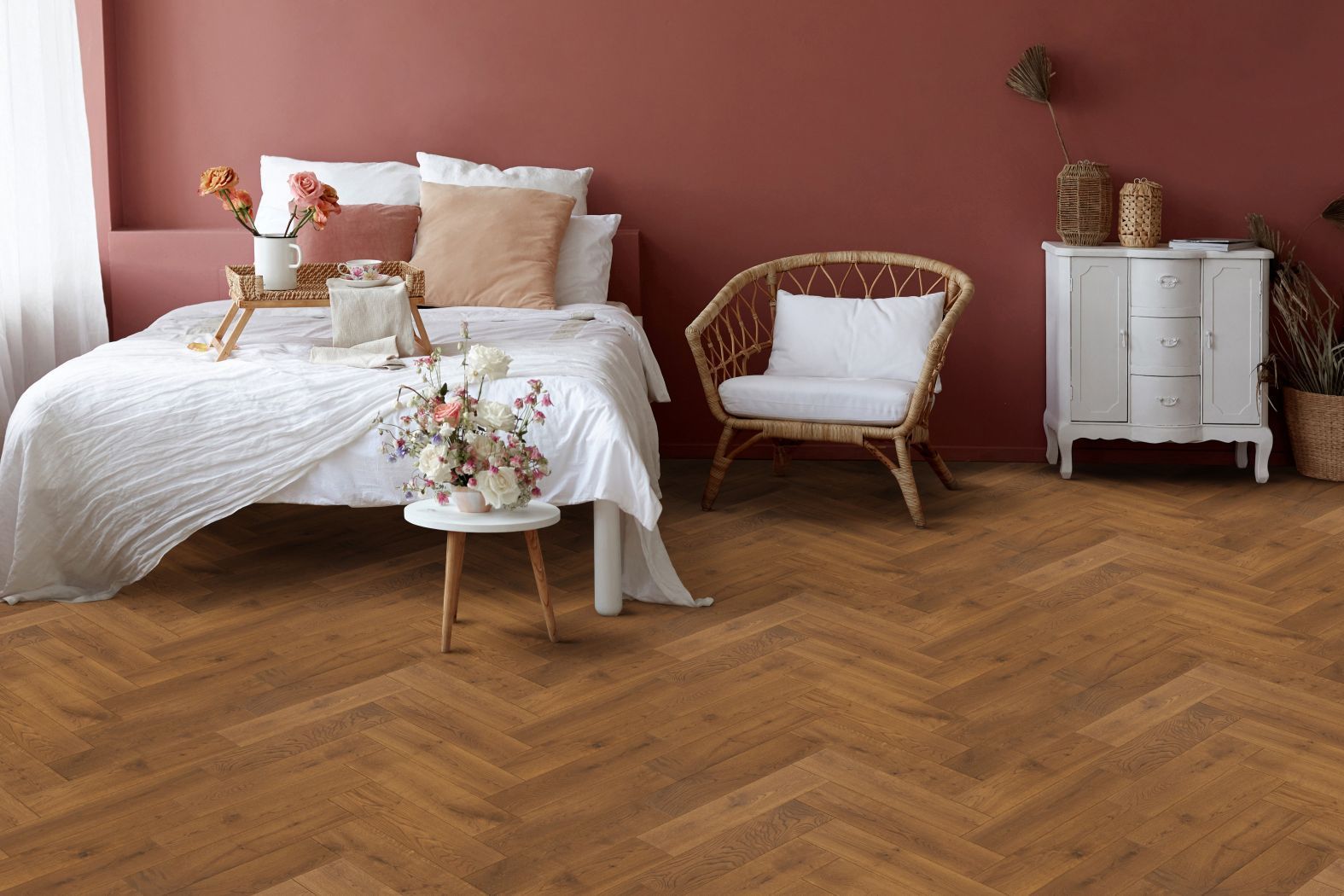
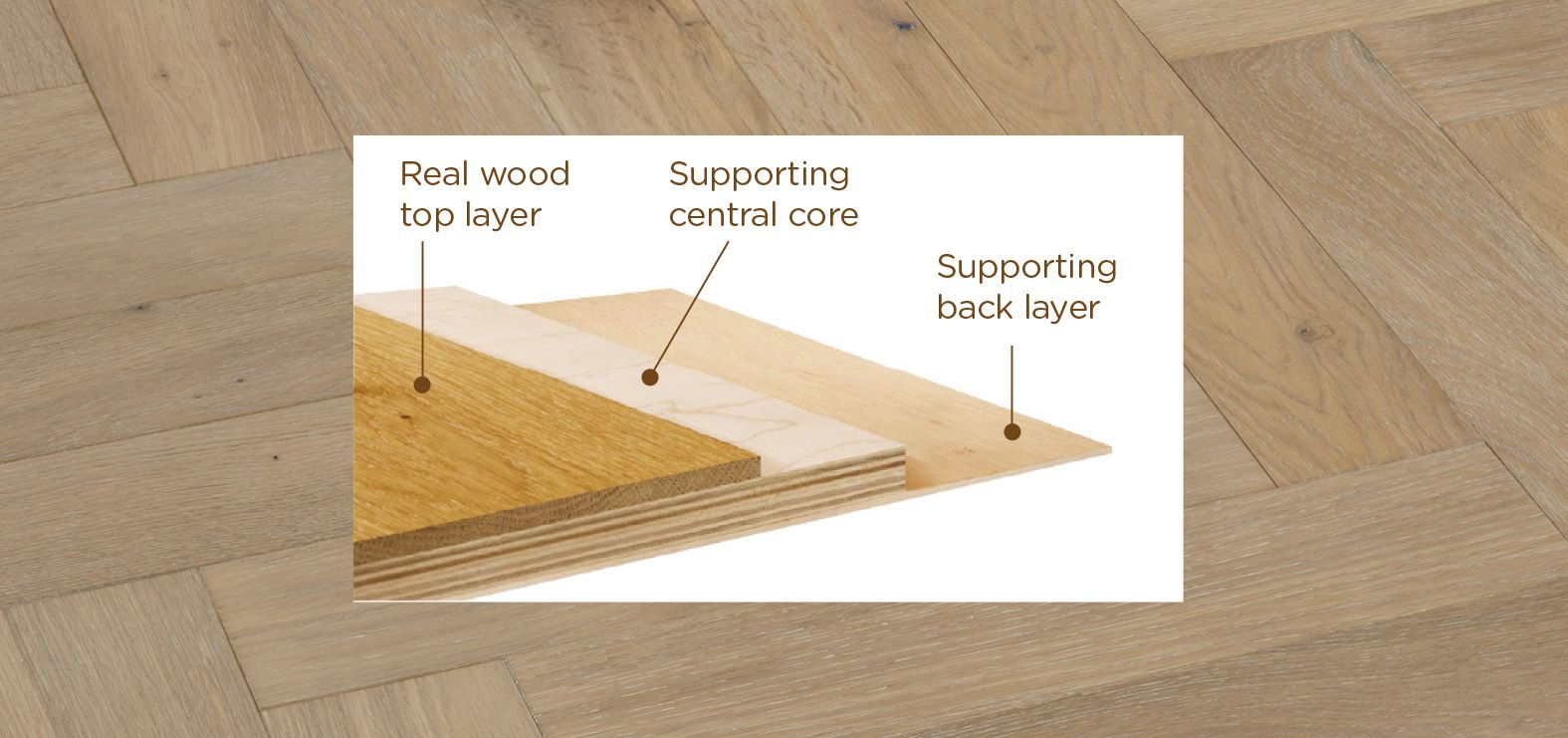
The reason engineered wood flooring looks and feels like the real thing is because it is! Engineered wood flooring is made from a real, solid wood top layer bonded to an engineered plywood base below.
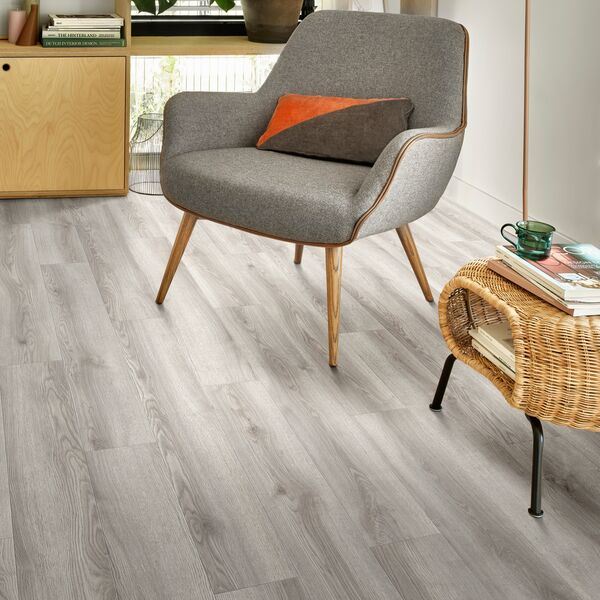
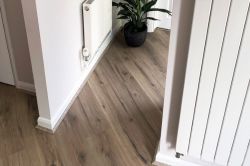
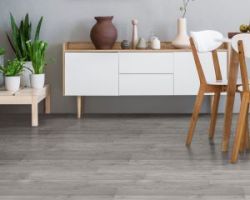
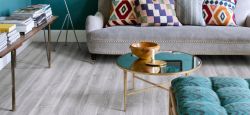
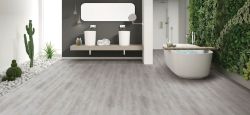
Engineered wood is available in a range of different plank lengths and widths, giving you plenty of versatility in selecting styles and designs – including modern grey engineered wood flooring. At Tapi, we sell a wide selection of engineered wooden floor types, with plank widths up to 190 mm.
Also known as manufactured wood, or engineered hardwood, engineered wood combines the natural benefits of solid wood and the stability of laminate flooring. It features a top layer of real, solid wood that can be sanded, varnished, and finished, while the base or core board below is manufactured to offer added durability and resistance against shrinking and warping.
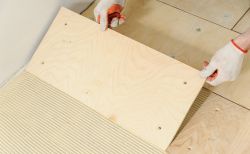
Most of our engineered wood options available at Tapi can be conveniently fitted using tongue and groove or click installation.
Explore some of the key benefits of engineered wood below:
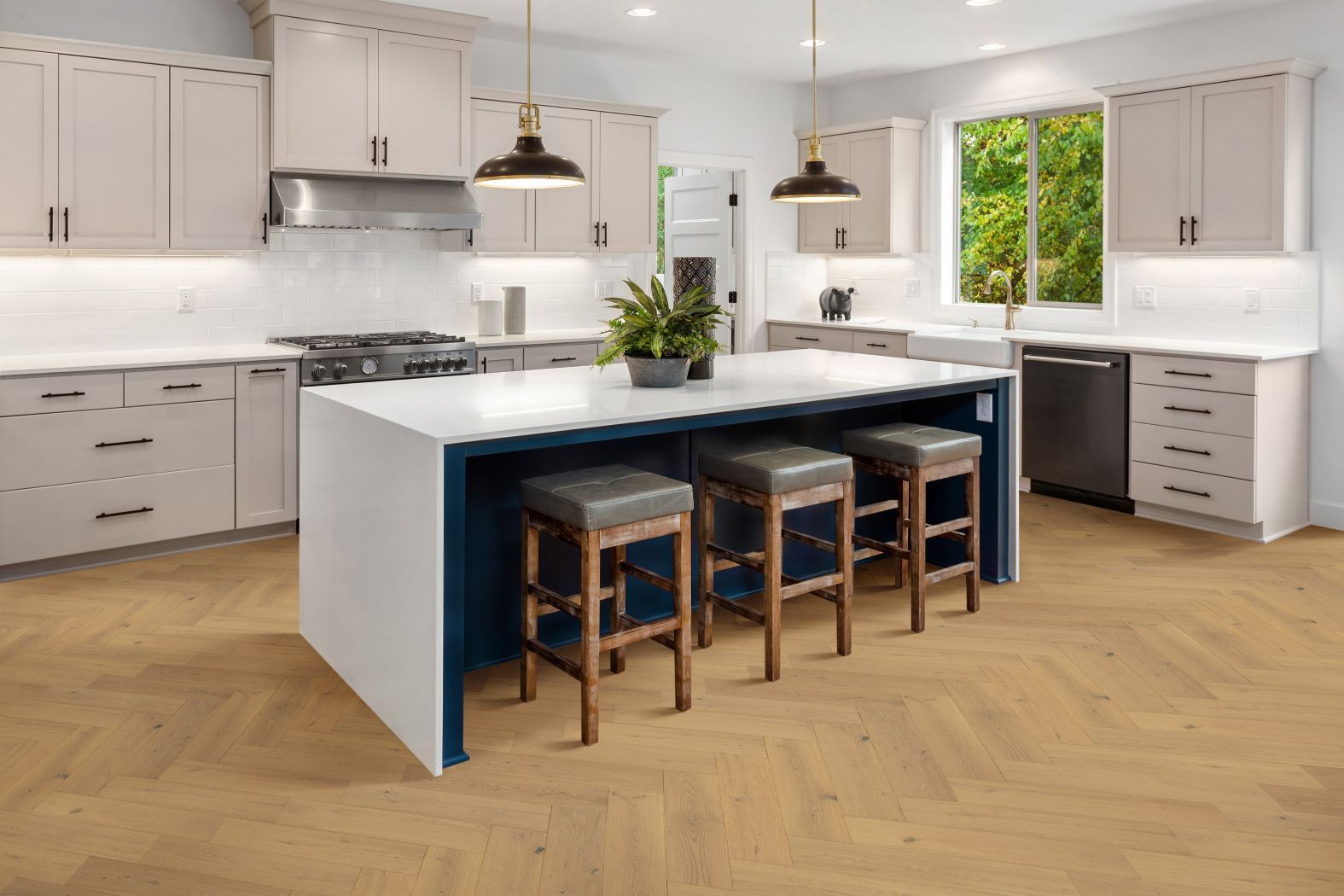
With its natural grains and timeless look, engineered wood is undoubtedly one of the more elegant smooth flooring options. But as it features a layer of real hardwood, it also comes with a number of considerations.
Depending on the type of flooring finish, such as lacquered engineered wood, the top layer may scratch more easily than alternative smooth flooring options. However, it can be sanded and refinished, where options such as luxury vinyl tile can’t. This helps to extend its lifespan.
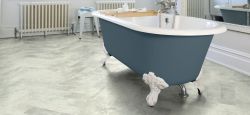
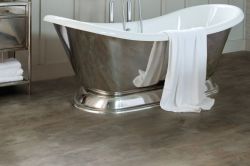
It’s worth remembering that wooden floors are not really suitable for moisture-rich areas of the home, such as bathrooms and utility rooms. For these areas, take a look at our fantastic collection of luxury vinyl and vinyl flooring instead. These oak-effect options are designed to create the natural wood look you desire, with the confidence of knowing your floors are highly water and slip resistant.
Natural engineered wood features a firm wooden top layer, which can be noisier than other flooring options. While you can invest in quality soundproofing underlay to help improve acoustic insulation, this factor is worth noting if you prefer a quieter home. Alternatively, carpet, vinyl and luxury vinyl tiles typically offer a softer, quieter finish underfoot.
 - 1749 x 1050.jpg)
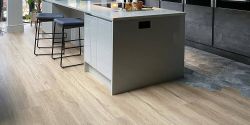
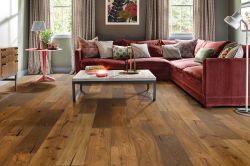
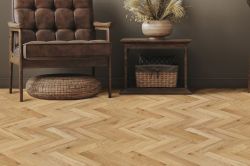
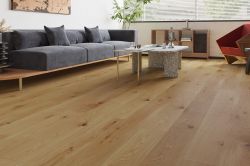
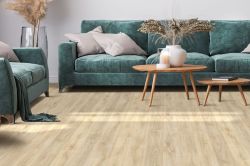
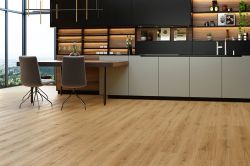
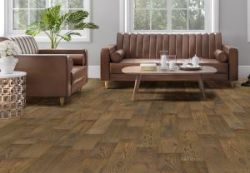
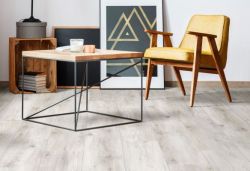
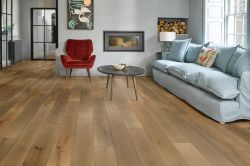
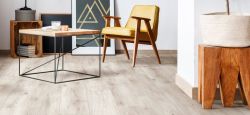
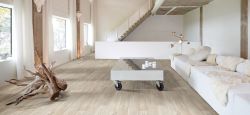
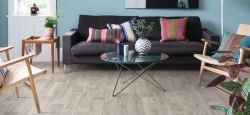
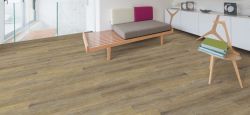
As you’d expect, there are various types of engineered wood flooring, offering homeowners a choice of styles and finishes. At Tapi, we have a wide variety of beautiful wood tones, from light Scandi through to warm English oak and deep American walnut.
The most common engineered wood finishes are:
You can read about them in more detail in our engineered wood flooring buying guide.
Below the layer of gorgeous real wood sits the ‘engineered’ layer or core. The makeup of this core can vary slightly.
The three most common compositions of an engineered wood core are listed below:
Although superficially similar, especially as their similar click profiles can be installed in the same way, these two types of wooden floors differ in several key areas:
Laminate, especially the water-resistant kind, tends to deal with changes in moisture better than most types of engineered wood flooring.
Choose engineered wood flooring if:
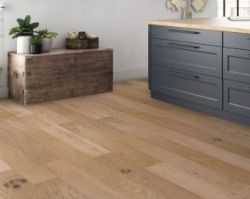
Moisture resistant and hardwearing, engineered wood delivers the craftsmanship of real wood with the practical benefits of reinforced laminate. Thanks to its durable plywood core, it offers better defence against temperature warping than solid wood. All engineered wood at Tapi is rustic quality – this means that our planks will feature knots, pinholes and other characteristic of natural wood that makes it unique.
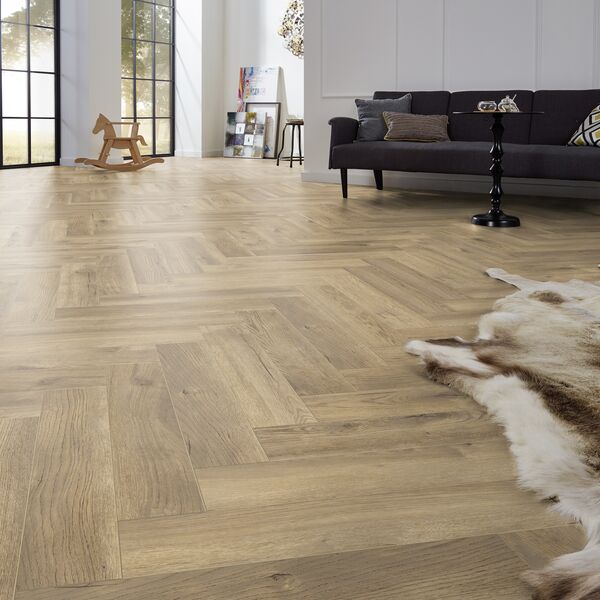
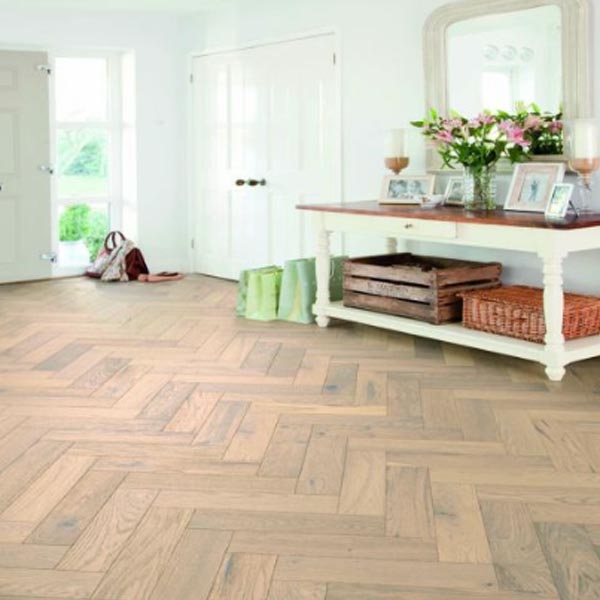
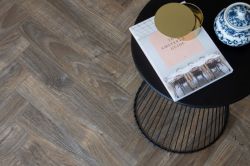
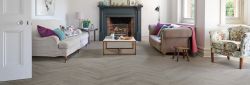
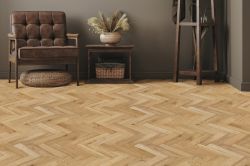
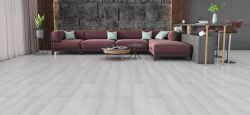
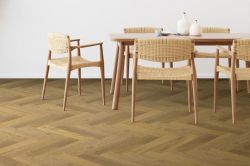
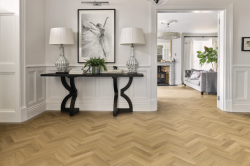
Whether engineered wood is better for your home than laminate depends on your needs and priorities – considering factors such as durability, versatility, and budget. Engineered wood is more long-lasting and feels more luxurious than laminate, but it can come at a higher price point. Also, engineered wood is better for those looking for a more natural look because every plank is completely unique, whereas laminate planks have the same pattern repeated. However, both offer a range of different styles, including herringbone and shades of grey oak.
We recommend cleaning your engineered floor using a lightly damp mop. Your mop should almost feel dry, as excess moisture can damage the wood. Never use harsh chemicals, as this can ruin the finish. Our engineered wood care guide explains all you need to know to take care of your floors.
Now that you know the ins and outs of engineered wood vs laminate, and the types of engineered wood flooring, why not explore our collections today? Book a home visit or join us in-store to see if engineered wood flooring is the right choice for your home.

Published: 25-11-2022
Last reviewed: 15-12-2025

-250.jpg)

 copy-250.jpg)
-250.jpg)
-250.jpg)
-250.jpg)
 - Article Image (not header)-250.jpg)
-250.jpg)
-250.jpg)




-250.jpg)



-250.jpg)
-250.jpg)
-250.jpg)
 (2)-250.jpg)
 (2)-250.jpg)
-250.jpg)
-250.jpg)
-250.jpg)
-250.jpg)
-250.jpg)
-250.jpg)
-250.jpg)

-250.jpg)
-250.jpg)
-250.jpg)
-250.jpg)
-250.jpg)
-250.jpg)
-250.jpg)


-250.jpg)
 (1)-250.jpg)
-250.jpg)
-250.jpg)

-250.jpg)
-250.jpg)
-250.jpg)

Hold tight! We're getting your results

Did you know...
You can book a FREE home visit?