Find Samples
To add to your samples basket, simply navigate to a product you're interested in, select the colour you like and press the + icon on an empty sample slot.
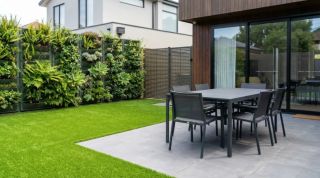
Make mowing the lawn and dealing with dreaded weeds a thing of the past with artificial grass. UK homes can enjoy a lawn that will stay lush and green all year round thanks to our realistic fake grass. Read more
Samples
colours available

Just like flooring, the most important thing when laying artificial grass is preparing your foundation first. If you’re laying artificial grass on concrete or stone, it should be smooth, level, and clear of debris. This ensures your new lawn won’t have any lumps and bumps making it easier to lay, and it will look better too. The same goes for laying artificial grass on soil – just remember to dig up any existing turf first.
Artificial grass is very easy to clean and requires much less maintenance than real grass. Simply, get a plastic rake to remove any debris like leaves, moss or stones, then use a stiff bristle brush to fluff up the blades of grass. If you’re doing a deep clean, use eco-friendly washing up liquid and warm water to give your faux grass a shampoo, then rinse with water and leave it to dry in the sun. It’s especially important to clean artificial grass regularly if you have pets that do their business in the garden.
All our artificial grass is pet-friendly. Made from non-toxic polyethylene fibres, it feels soft and comfortable underfoot so it’s perfect for pets to roll around on! You don’t need to worry about pets going to the loo on your new lawn – artificial grass is stain resistant so there’s no nasty yellow patches, and drainage holes allow for pet urine to easily flow through the backing to the ground below. If you’re looking for artificial grass for dogs, a shorter pile height of around 30mm or less is best because it’s easier to clean up after they’ve done their business.
Take a look at our ‘What is artificial grass?’ guide to find out more.


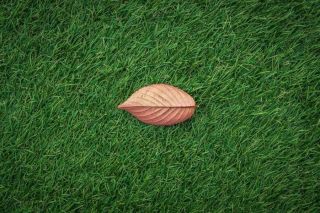


The type of artificial grass you should buy depends on a few things:
- what you want your artificial lawn to look like
- how big your garden is
- your budget
How ‘real’ your artificial grass looks and feels is usually reflected by the price, so a more expensive fake grass will look and feel more like a real lawn. If you've got pets or sports-mad children, then you might want to choose artificial grass with a shorter pile as it's easier to keep clean. Our artificial grass buying guide will tell you all you need to know about artificial grass before you buy.
You can lay artificial grass on concrete providing your subfloor is in good condition. By good condition, we mean no cracks bigger than 20mm. Small cracks can be filled in with sand when you're preparing the base, but larger cracks may be an indication that there's further damage underneath, so it might be unstable. If that's the case, it's better to take up your concrete base completely and prepare a new base (soil or stone) on which to lay your artificial turf. Our handy guide on how to lay artificial grass on concrete or stone will help answer all these questions and more.
Unfortunately, we can't currently arrange the installation of artificial grass. The fitters are specialists in installing carpets, but artificial grass is a whole different technique and best left to professional artificial grass fitters. We do, however, have some very handy guides that we put together on how to lay artificial grass and also how to lay artificial grass on concrete or stone if you want to lay the turf yourself.
Artificial grass is incredibly easy to keep clean and take care of. A weekly sweep with a stiff bristle brush will get rid of any dirt on your fake lawn and keep it looking as fresh as a daisy! Now and then, you might want to give your fake grass a deep clean with some warm water and eco-friendly washing up liquid, but that's as far as maintenance goes. No mowing, no seeding, no weeding! Our full guide on how to care for artificial grass can be found here.
We’d always recommended getting a professional landscape gardener to do the job properly, but if you’re planning on laying artificial grass yourself, we have a guide on how to lay artificial grass on soil if you’re working with a pre-existing lawn, or a guide on how to lay artificial grass on concrete if you’re laying artificial grass on a balcony, terrace, paving or decking. The process is similar for both – prepare your base and make sure it’s even, ensure you have good drainage, attach your grass to your subfloor with adhesive, and brush to seal it.
Caring for artificial grass is a really easy process – it's one of the reasons why so many people choose it. You can clean it by hosing it down and brushing it regularly, which is much less fuss than maintaining a fresh lawn. You can find all the information you need to keep your artificial grass in tip-top-Tapi condition using our artificial grass care guide.
This is one of the biggest benefits of artificial grass – you never need to cut it! When you pick the artificial grass type you want in store, you’ll be able to choose the length of grass you’d prefer – as a rule, we’d say that shorter piles are likely to last a lot longer than long grass fibres, because less debris will get stuck in it and you won’t have to clean it as regularly. We answer lots of questions related to artificial grass in our artificial grass care guide.
If you're wondering how to cut artificial grass when installing it, then check out our guides on how to lay artificial grass on soil or how to lay artificial grass on concrete.
What you put underneath artificial grass will depend on the subfloor you’re working with. If you have a concrete subfloor, you will need to put down special artificial foam underlay to make the grass feel softer underfoot and to smooth over any small bumps and cracks you might have on your concrete.
If you’re putting your artificial grass on paving or stones, you’ll need a layer of sand to smooth out the surface before laying your underlay and then grass. If you’re laying artificial grass on soil, this acts like a natural underlay, so you can install your grass directly on top of soil.
Good quality artificial grass that can last a really long time, around 10 – 15 years. All Tapi artificial grass comes with an 8-year wear guarantee, and with proper artificial grass care, you’ll be able to use it for many more years after that too.
To maintain your artificial grass, use a stiff brush once a week to remove leaves and dirt followed by a gentle hosepipe rinse if it's particularly dirty. Mix some environmentally friendly detergent with warm water and brush it into the fibres if you have pets or children and want to keep the grass free from most germs. Easy maintenance and cleaning is just one of the perks of buying artificial grass – you can find plenty of information to help you find the right artificial grass type for your space in our artificial grass buying guide.

Hold tight! We're getting your results

Did you know...
You can book a FREE home visit?

Trouble finding the right one?
Book a FREE Home Visit - we'll bring all the samples to you, hassle-free.
No thank you I'll keep looking