Find Samples
To add to your samples basket, simply navigate to a product you're interested in, select the colour you like and press the + icon on an empty sample slot.
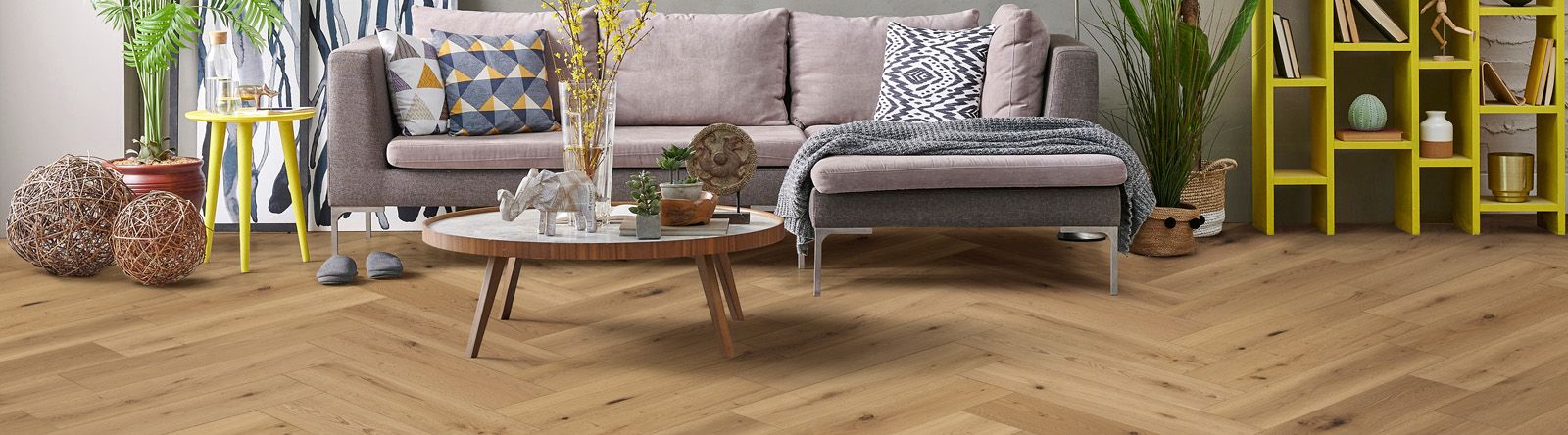
Living in a home with real wooden floors is a dream come true for many people. Offering timeless style, unique beauty, and natural warmth, a wooden floor is definitely an investment, but one that will serve you well for decades with the correct care and maintenance.
There are two types of real wood floors: solid wood (often called hardwood) and engineered wood. They might look similar at first glance, but we’re going to explain the difference between engineered wood and solid wood. We’ll take you through the tech specs for each, as well as the pros and cons, so you can weigh up whether to choose solid wood or engineered wood.
In this guide:
When it comes to whether solid vs engineered wood flooring is better, it depends on what you’re looking for. If you want a real wooden floor that can last over 100 years, then solid wood is the way to go – but it comes with a higher price tag. If you’re happy with a wood veneer floor that’s been engineered to cope better with temperature or moisture changes, then engineered wood flooring is the right one for your home. Once they’re laid in a room, you’ll struggle to tell what is the difference between engineered wood and solid wood, so we’ve broken down the key features of each to help you make your mind up.
Engineered wood has a plywood or multi-layer core with a wood veneer layer on top. This means you get the beauty of real wood like unique grain markings and natural colouring, but the main body of the plank is engineered to cope better with moisture and temperature changes, making it a more stable and affordable option than solid wood. It’s also more sustainable than solid wood because the lower layers of each board are made of fast-growing, rapidly renewed wood or timber, so less slow-growing hardwood is required.
The thickness of engineered wood can determine how well your floor performs and the thickness of real wood top layer dictates how many times your wooden floor can be sanded down, which is less than a solid wood floor. Engineered wood is available in a traditional tongue and groove installation like solid wood, but also as click installation, making it much quicker and easier to fit.
You can read more about the construction of engineered wood in our ‘What is engineered wood flooring?’ guide.
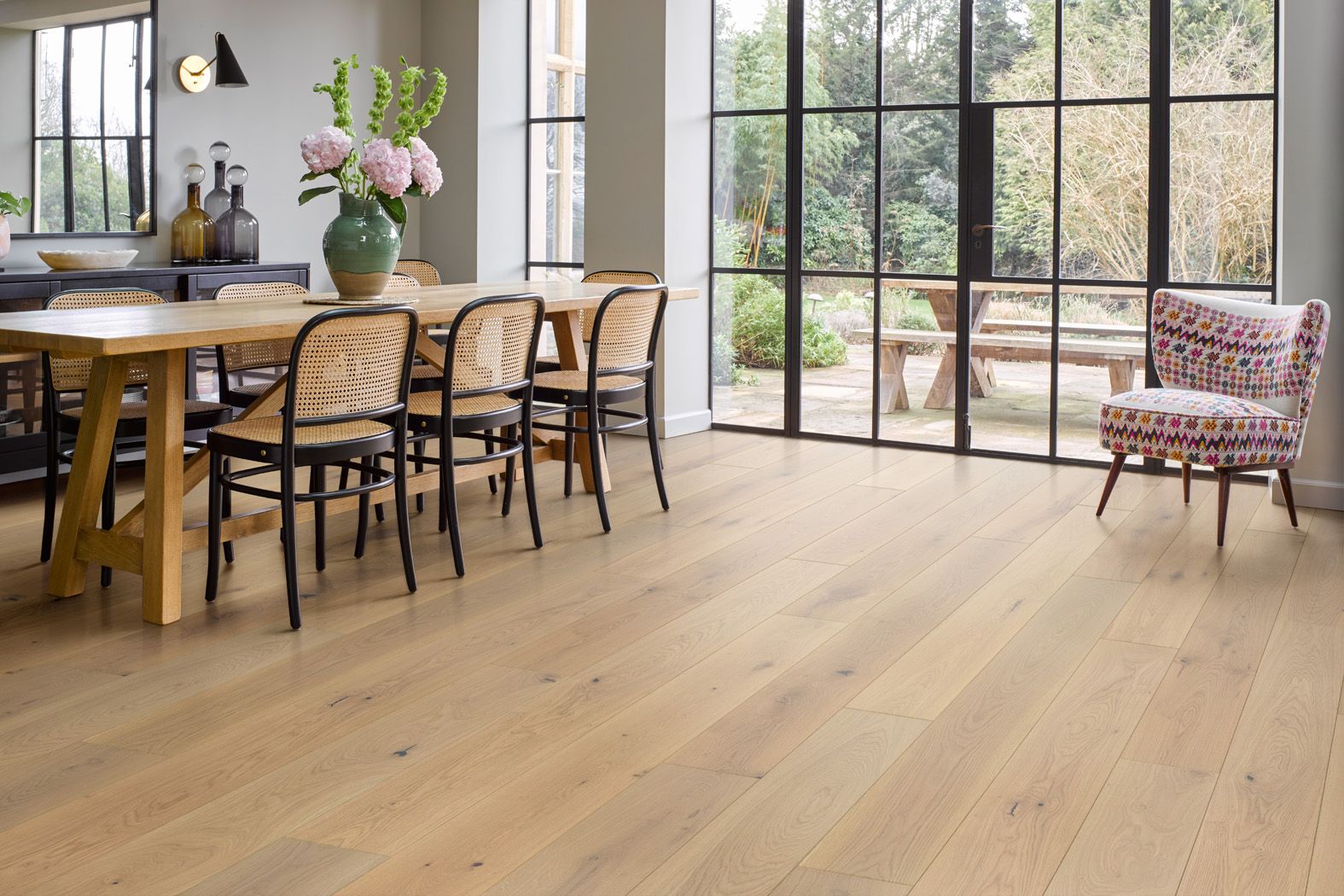
Solid wood is one of the oldest flooring options. Each plank is made from a single piece of timber, usually from the heart of the tree. From the top to the bottom of the plank, it’s just one chunk of solid wood. When looked after properly, it can last a lifetime! However, moisture or temperature changes or lack of proper care can cause planks to warp. Solid wood planks are nailed or glued down to the floor, which can increase the initial cost.
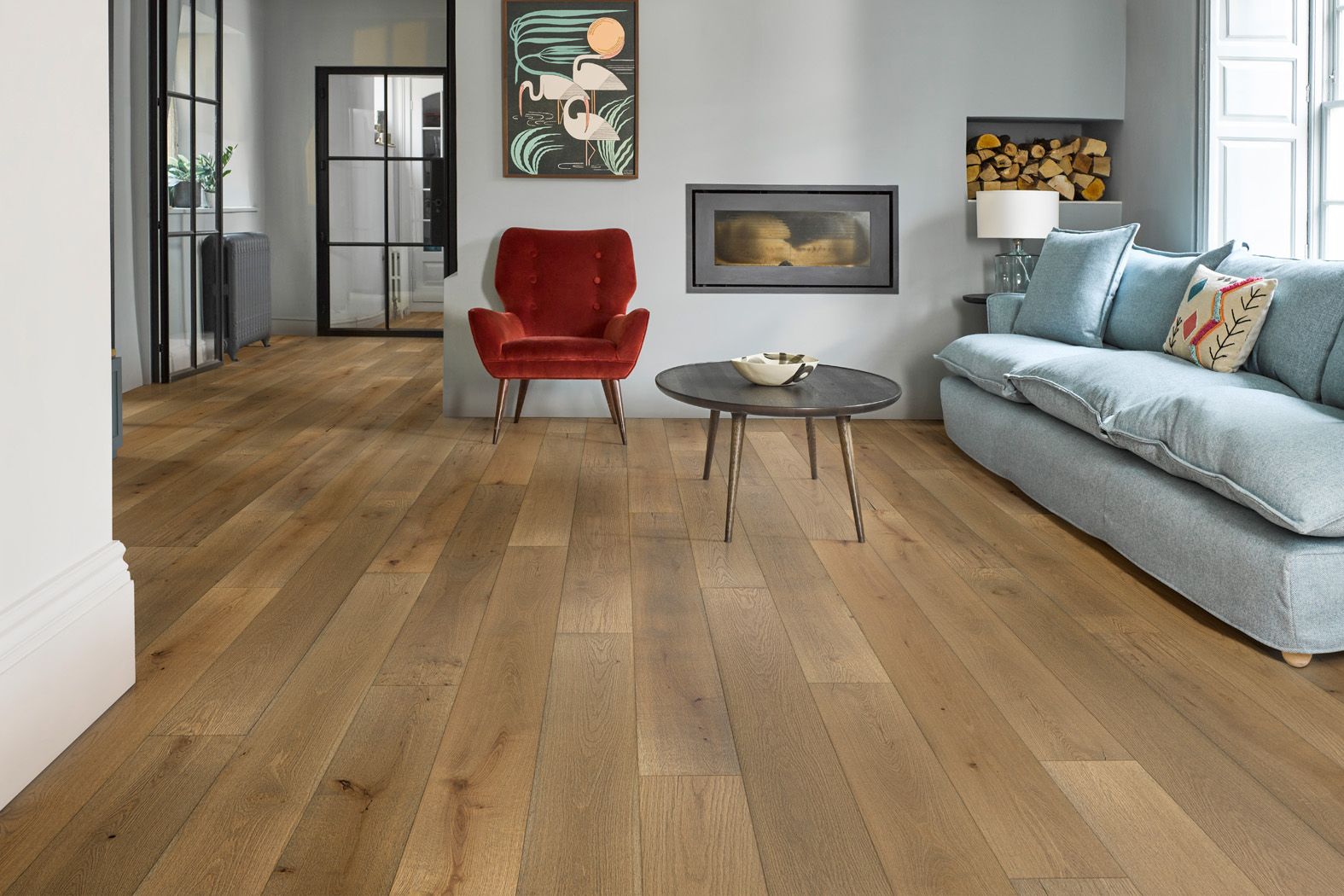
When you’re weighing up solid wood vs engineered wood flooring, you also need to consider what room it’s being fitted in. They’re very similar but the stability of engineered wood gives it a slight edge and makes it more versatile. In a nutshell, you should avoid using solid wood flooring in rooms where there’s likely to be high humidity levels like bathrooms, kitchens and utility rooms. Engineered wood is much more stable in spaces where there are moisture and temperature changes, but it still should be avoided for wet rooms like bathrooms.
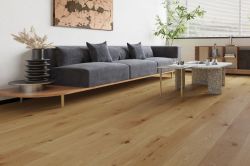
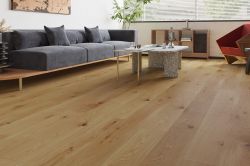
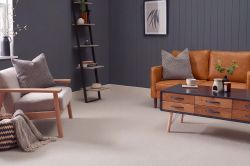
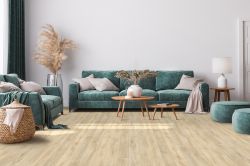
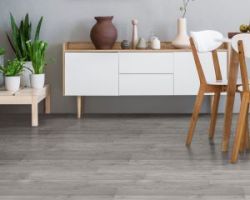
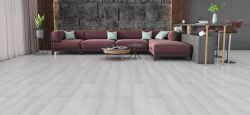
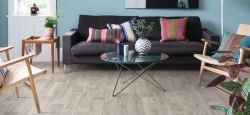
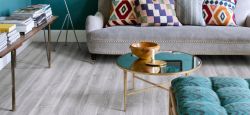
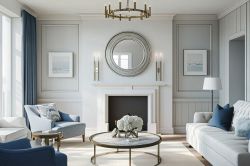
Either solid or engineered wood flooring can be used in a living room. Both wooden floors deliver that cosy, rustic feel a living room requires.
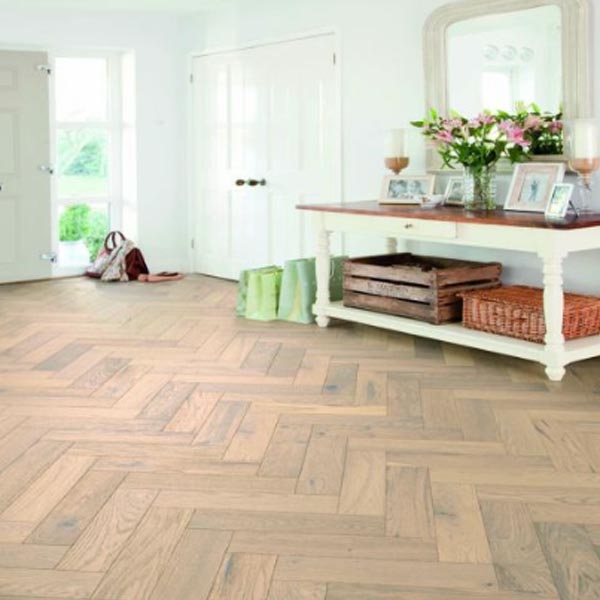
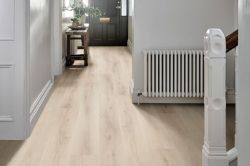
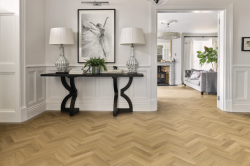
Hallways deal with lots of foot traffic day in, day out. Both solid wood and engineered wood are a brilliant option for hallways because they’re really durable and a beautiful wooden floor helps set the tone for the rest of your home.
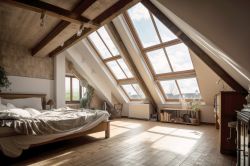
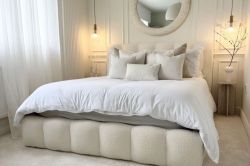
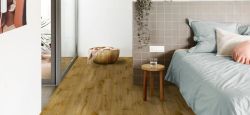
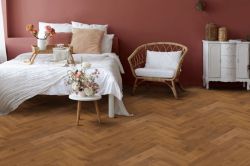
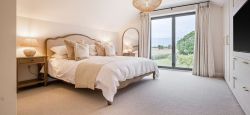
Both engineered wood and solid wood are equally good choices for bedroom flooring. Oak engineered wood is the perfect mid-tone shade to match any bedroom decor.
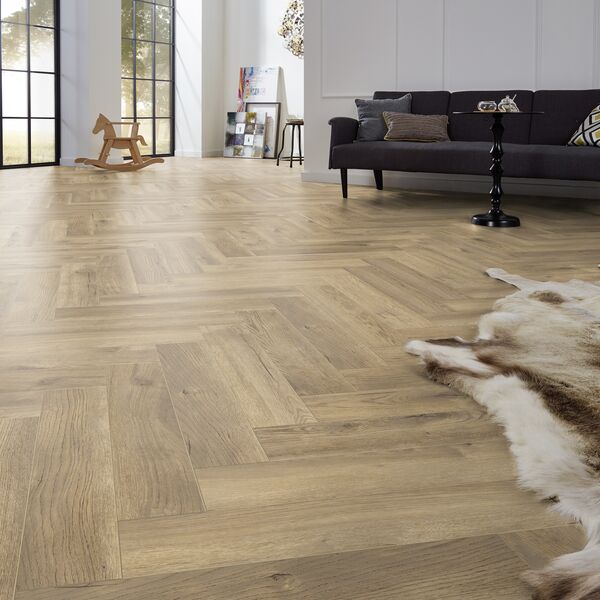
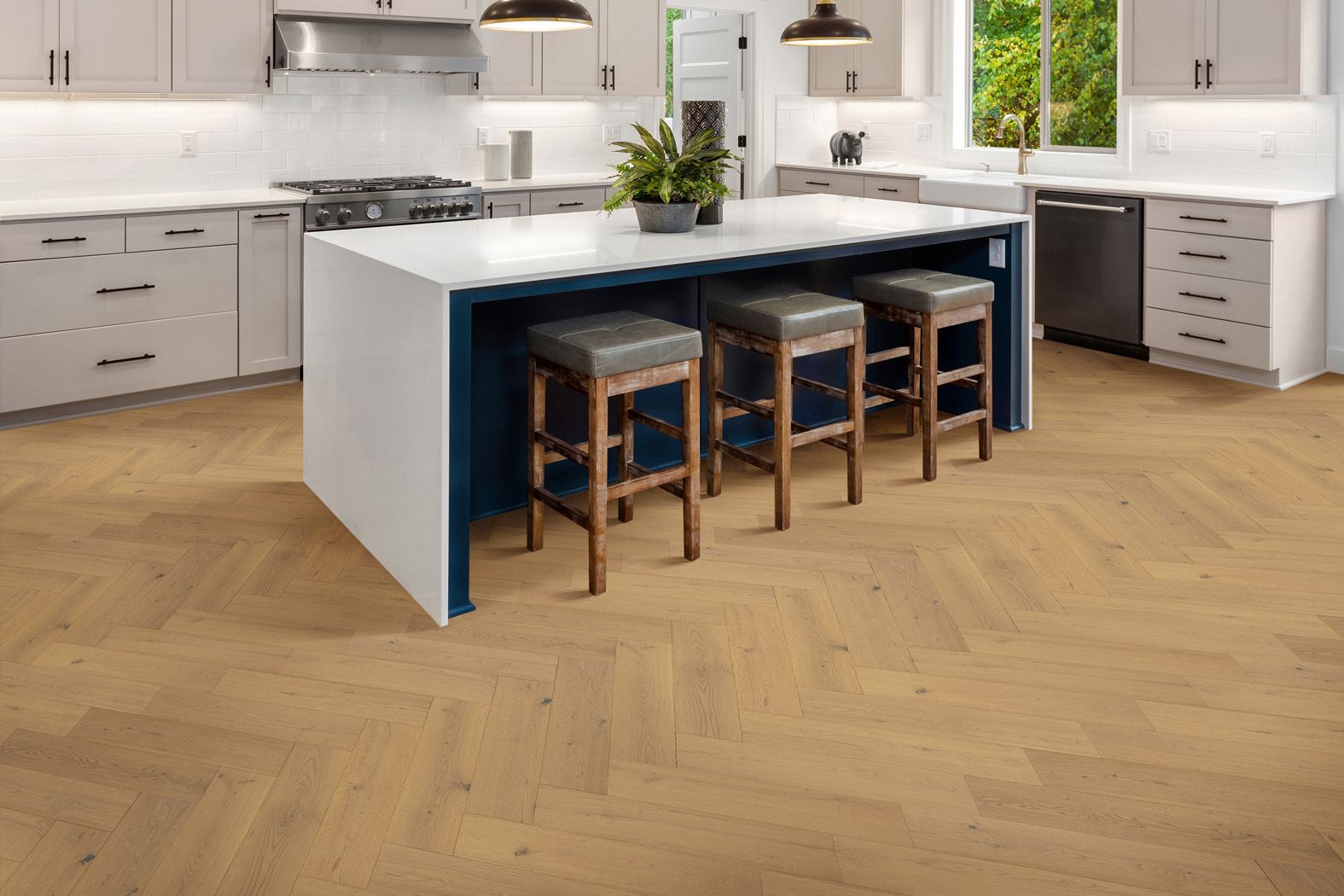
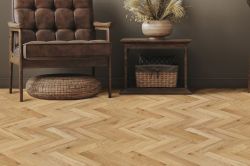
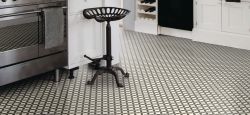
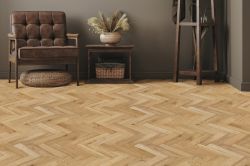
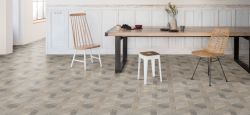
When ovens are on and pans are bubbling, kitchens can be a hazardous place if you’re a wooden floor. Neither engineered wood or solid wood are water resistant and both can by marked, stained or damaged by spills from food and drink. However, if you really want a wooden kitchen floor, try classic herringbone engineered wood flooring for the finishing touch to your high-end kitchen.
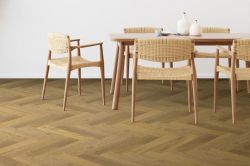
Both solid wood and engineered wood are a brilliant flooring option for dining rooms, with dark wood flooring and a long dining table delivering a luxurious touch. While dining chairs moving back and forth across the floor can cause scratches or worn areas over time, these can be easily sanded out and refinished with oil or lacquer to look good as new!
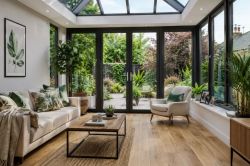
Engineered wood can bring a naturally warm look and feel to a conservatory. Because conservatories can experience extreme temperature and humidity changes compared to other rooms, any wooden flooring will perform poorly. If you do go for a wood floor, it needs to be nailed and glued down to the subfloor to prevent movement and regularly oiled for maintenance, so it doesn’t dry out in the heat. Wood will naturally fade in sunny rooms like conservatories, so we’d recommend picking a lighter wood with UV lacquer finish to help slow the discolouration.
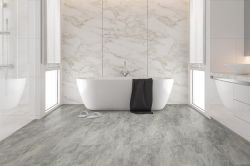
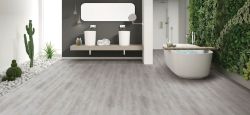
Neither solid wood nor engineered wood is the best flooring for bathrooms. There are many water resistant luxury vinyl, vinyl and special water resistant laminate options out there that are much more suitable for splash-prone rooms, which do a great job of looking and feeling like real wood. That said, if you only want to have wooden floors throughout your home, engineered wood is better than solid wood for bathrooms - just make sure you use a bathmat and mop up any splashes!
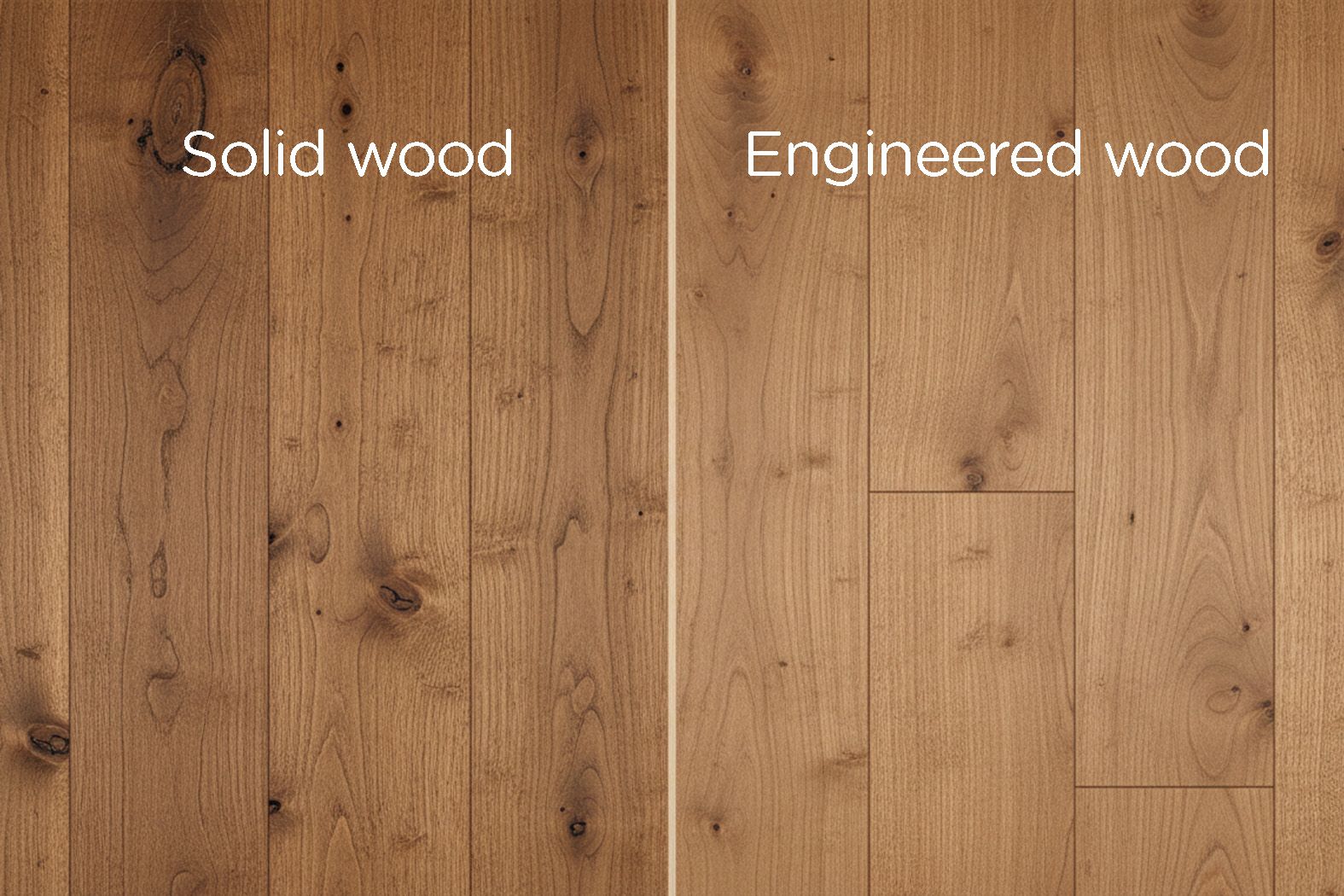
If you’re still struggling to tell the difference between solid and engineered wood flooring, here are the key features to compare:
|
|
Solid wood |
Engineered Wood |
|---|---|---|
|
Price |
£50-£250+ per m2 |
£50-£115 per m2 |
|
Lifespan |
30-100+ years |
20-40+ years |
|
Construction |
Hardwood plank |
Hardwood top layer with plywood core |
|
Durability |
Long-lasting but susceptible to scratches and scuffs |
Long-lasting but susceptible to scratches and scuffs |
|
Stability |
More likely to warp during moisture and temperature changes |
Less likely to warp during moisture and temperature changes |
|
Maintenance |
Depending on the finish, solid wood needs to be treated regularly with oils |
Easy daily care but depending on the finish, needs to be treated regularly with oils |
|
Refinishing |
Can be sanded and refinished multiple times |
Can be refinished 1-3 three times, depending on the veneer thickness |
|
Installation |
Nailed or glued |
Depending on whether it’s click fit or tongue & groove, it can be nailed, glued or floated |
|
Underfloor heating |
No |
Yes (under 15mm) |
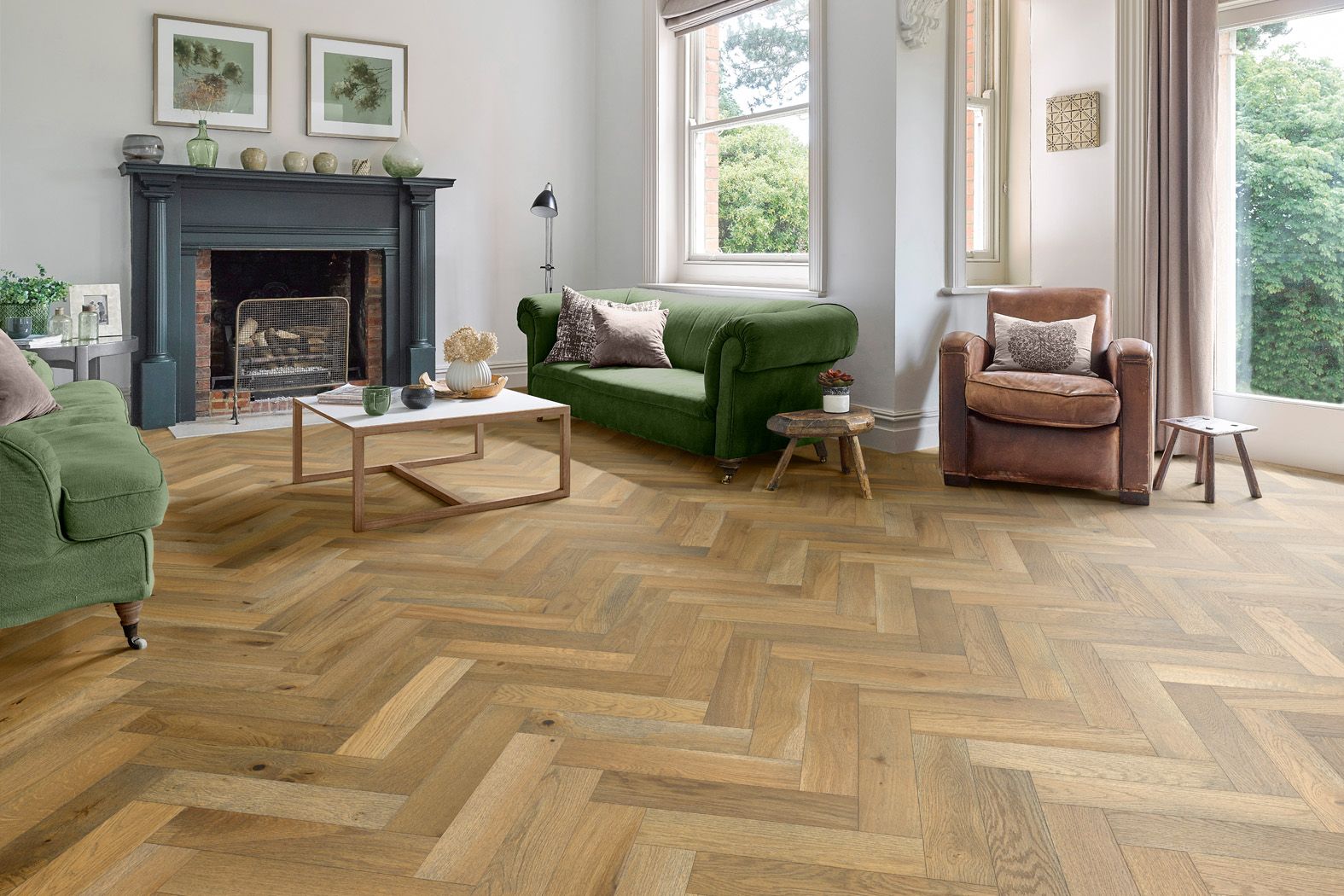
Overall, engineered wood comes out on top for stability, versatility, and affordability, but solid wood is the more premium and longer-lasting wooden flooring option.
If you’re unsure whether engineered wood is right for your home, book a free home visit to talk it through with one of our floorologists. We’ll bring along a selection of engineered flooring samples so you can see them in your own space, lighting, and layout, while we measure up and provide a no-obligation quote. We can also arrange fitting with recommended local independent fitters or you can read our engineered wood fitting guide if you want to install it yourself. Want the wood look on a budget? Check out our laminate vs engineered wood flooring guide.

Published: 06-07-2026

 copy-250.jpg)
-250.jpg)
 - Article Image (not header)-250.jpg)
-250.jpg)





-250.jpg)
-250.jpg)
-250.jpg)
 (2)-250.jpg)
 (2)-250.jpg)
-250.jpg)
-250.jpg)
-250.jpg)
-250.jpg)
-250.jpg)
-250.jpg)

-250.jpg)
-250.jpg)
-250.jpg)
-250.jpg)
-250.jpg)
-250.jpg)
-250.jpg)

-250.jpg)
 (1)-250.jpg)
-250.jpg)
-250.jpg)
-250.jpg)
-250.jpg)

Hold tight! We're getting your results

Did you know...
You can book a FREE home visit?