Find Samples
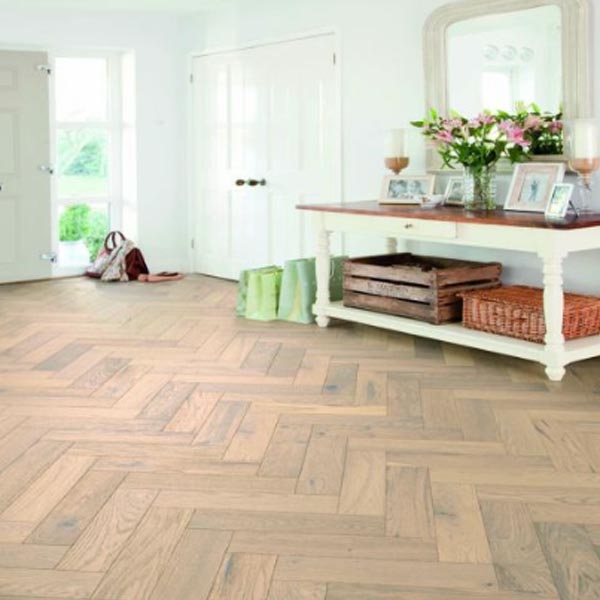
To add to your samples basket, simply navigate to a product you're interested in, select the colour you like and press the + icon on an empty sample slot.
If you're searching for an affordable flooring option that's both durable and stylish, 8mm laminate flooring might just be the perfect choice for you! As a thicker option than 7mm... Read more


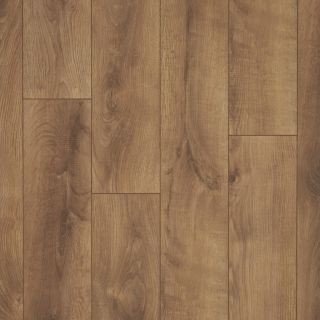



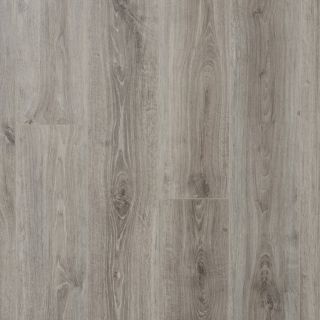


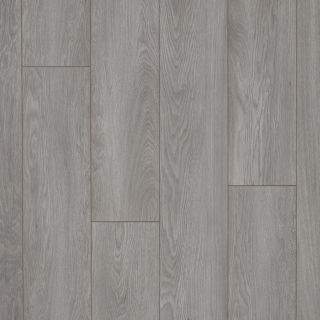



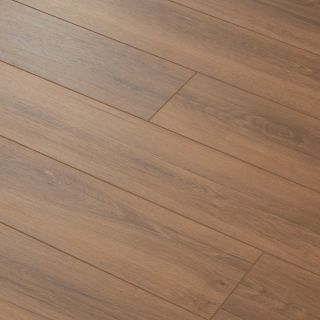

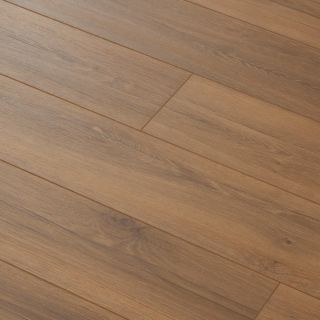

Samples
colours available

You should choose 8mm laminate flooring because it offers a strong balance between affordability, durability, and everyday performance. It’s sturdy enough for most spaces in your home while still being more budget-friendly than thicker options. This makes it ideal for bedrooms, living areas, and moderate-traffic rooms. When paired with a good underlay and a level subfloor, 8mm laminate provides a comfortable feel underfoot and reliable long-term use without the higher cost of thicker boards.
8mm to 12mm laminate usually offers a strong middle ground between cost and performance. More slender boards, typically around 6mm to 7mm laminate, are the most budget-friendly option, but they can feel a bit less solid underfoot and are more likely to reveal any imperfections in the subfloor. In contrast, thicker planks tend to provide enhanced durability, improved acoustic insulation, and a more substantial, higher-quality feel, which makes them a great fit for areas like living rooms and dining rooms.
For many homes, 10mm laminate is often the preferred choice. It delivers a good level of strength and longevity while still being more affordable than thicker boards. Ultimately, the right option will depend on your budget, the state of your subfloor, and the amount of daily use the room is likely to see.
For 8mm laminate flooring, a 2mm to 3mm underlay is ideal, as it provides the right balance of support and comfort. A 2mm underlay is the most common choice because it offers firm support that helps protect the locking joints, while 3mm can be used if you want extra sound insulation or if the subfloor has minor imperfections. Avoid overly thick underlay, as too much cushioning can cause movement and damage the flooring over time.
After buying your new laminate, you might be wondering how to install 8mm flooring. The good news is that it’s straightforward once you get started!
Start by rolling out the underlay, making sure to leave a small expansion gap around the perimeter of the room so the flooring can naturally expand and contract. Next, begin laying the boards row by row, locking them together with a simple click system, almost like fitting puzzle pieces. As you progress across the room, gently tap each plank into place to ensure a snug fit and a smooth finish. Pay close attention when working around edges or making detailed cuts for a precise fit. Before you know it, you’ll have a strong, long-lasting floor with a clean, high-end finish.
For more tips, see our guide on how to install laminate flooring.
Neither 8mm nor 12mm laminate is better than the other; it simply depends on your flooring needs and preferences.
8mm laminate is more budget-friendly and perfectly suitable for most residential spaces with moderate foot traffic, while 12mm laminate offers greater durability, better sound insulation, and a more solid, premium feel underfoot, making it ideal for high-traffic areas.

Hold tight! We're getting your results

Did you know...
You can book a FREE home visit?

Trouble finding the right one?
Book a FREE Home Visit - we'll bring all the samples to you, hassle-free.
No thank you I'll keep looking